Industry Insights and Food Culture
Exploring the art of wood-fired pizza, craft brewing, and authentic BBQ through an industry lens
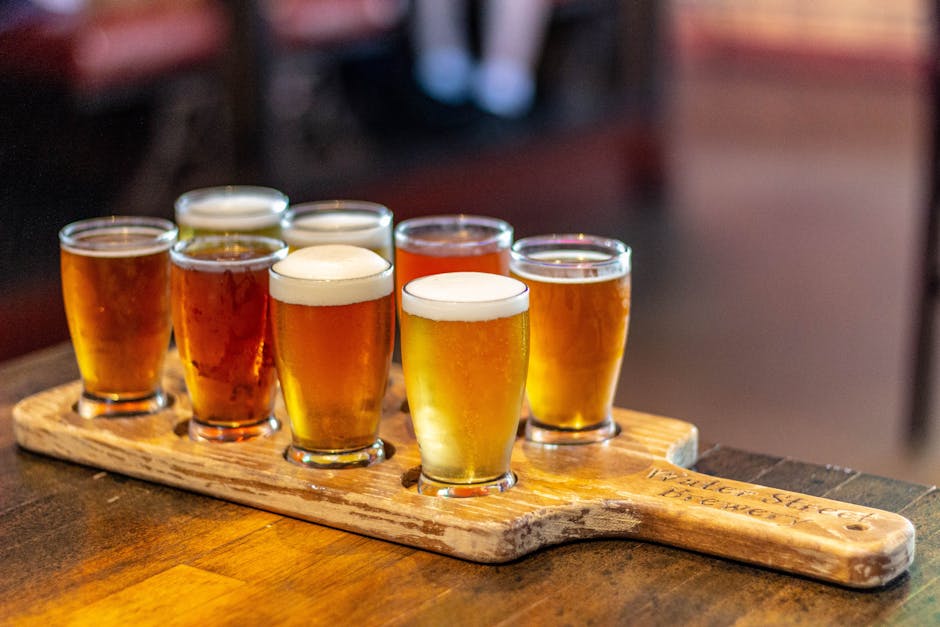
Understanding Craft Brewing Excellence
Published January 2026 | Industry Insights
The craft brewing industry has experienced remarkable growth over the past decade, transforming how consumers appreciate and consume beer. What distinguishes an exceptional craft brewery from mass producers goes beyond simple production methods.
As the Brewers Association explains, craft breweries are defined by their commitment to quality, independence, and innovation. This approach to brewing ensures that every pint reflects genuine craftsmanship rather than mass production. The focus on small-batch techniques and traditional methods creates unique flavor profiles that discerning beer enthusiasts seek out.
When evaluating craft breweries, look for establishments that source quality ingredients, maintain rigorous quality control standards, and demonstrate passion for the brewing arts. The best craft breweries often experiment with seasonal offerings while maintaining consistency in their flagship brews.

The Art of Wood-Fired Pizza
Published January 2026 | Food Culture
Wood-fired pizza represents one of the oldest and most authentic cooking traditions in culinary history. The method dates back centuries and continues to produce some of the most flavorful pizza available today. Understanding what makes wood-fired pizza exceptional requires appreciation of both technique and tradition.
The intense heat of a wood-fired oven, typically reaching temperatures between 700 and 900 degrees Fahrenheit, creates the characteristic charred crust and leopard-spotted bottom that pizza enthusiasts prize. This rapid cooking method, often completed in just 90 seconds, locks in moisture while creating a perfect balance of crispy and chewy textures.
Quality ingredients play an essential role in wood-fired pizza excellence. From imported Italian 00 flour to fresh mozzarella and San Marzano tomatoes, each component contributes to the final product. The best wood-fired pizza establishments understand that authenticity comes from respecting traditional methods while adapting to local tastes.
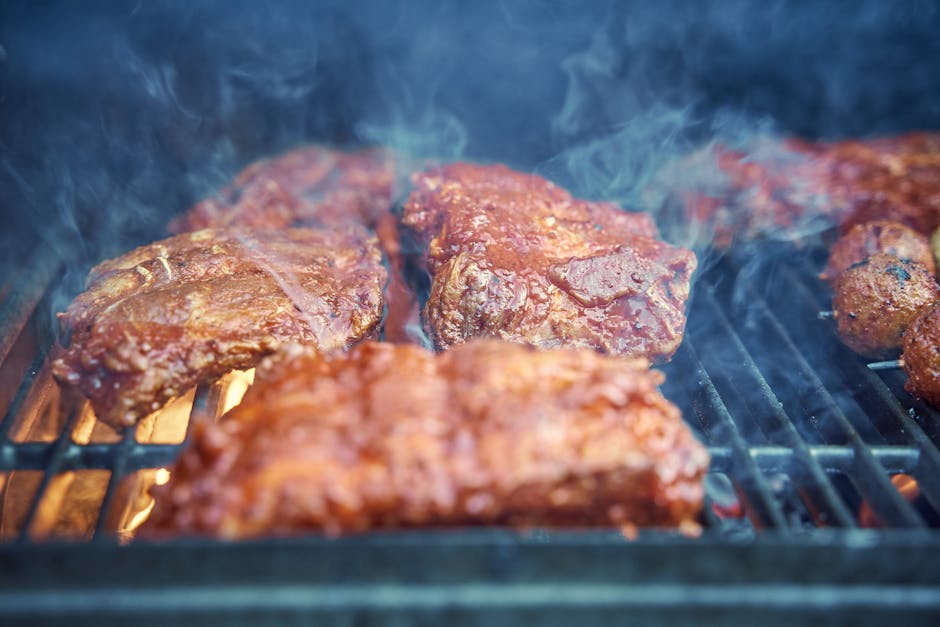
BBQ Traditions and Techniques
Published January 2026 | Food Culture
American barbecue represents a rich culinary tradition with distinct regional variations that have developed over centuries. From Texas brisket to Carolina pulled pork, each style carries its own techniques, seasonings, and cultural significance. Understanding these traditions helps appreciate the craft behind exceptional BBQ.
The slow smoking process transforms tough cuts of meat into tender, flavorful masterpieces. This transformation requires patience, skill, and understanding of how smoke, heat, and time work together. Professional pitmasters often spend years perfecting their craft, learning to read smoke patterns and manage fire temperatures.
Wood selection significantly impacts flavor profiles in BBQ. Hickory provides a strong, traditional smoke flavor, while oak offers a milder taste suitable for longer cooks. Fruit woods like apple and cherry add subtle sweetness that complements pork and poultry. The best BBQ establishments understand these nuances and select woods appropriate for each protein.
Industry Trends and Standards
Understanding the evolving landscape of the restaurant and hospitality industry
Quality Standards
Modern restaurants face increasing pressure to maintain consistent quality while adapting to changing consumer preferences. From farm-to-table sourcing to sustainable practices, quality standards continue to evolve.
Customer Experience
The dining experience extends beyond food quality to encompass atmosphere, service, and overall hospitality. Successful establishments create memorable experiences that encourage repeat visits and positive recommendations.
Industry Innovation
Technology and technique continue to advance in the restaurant industry. From reservation systems to kitchen equipment, innovation helps establishments deliver better experiences more efficiently.
Continuing Your Culinary Education
The hospitality industry continues to evolve with changing consumer preferences and dining expectations. Whether you are a food enthusiast seeking to understand what makes exceptional dining experiences or a professional looking to stay current with industry developments, continued learning remains essential.
For more detailed information about restaurant industry standards and best practices, visit the National Restaurant Association. Their resources cover everything from food safety training to hospitality excellence benchmarks that define professional food service.